



continuous rolling mills
Rolling mills have become a cornerstone of the manufacturing sector , particularly in metal processing. The effective utilization of these mills is crucial in enhancing production efficiency and maintaining product quality. With numerous advancements in technology, the rolling mill industry is constantly evolving, and factories specializing in this field must stay ahead of the curve to ensure competitiveness. The rolling mill industry has expanded from traditional steel mills to a wide array of materials including aluminum, copper, and other alloys. These mills are designed to flatten metal, alter its shape, and enhance mechanical properties, and their success largely depends on precision, efficiency, and innovation. One distinguishing factor for a successful rolling mill factory is the integration of advanced technology. The incorporation of automated processes and state-of-the-art machinery allows for superior control over the rolling process. Automated systems provide accurate data and real-time feedback, which are essential for maintaining consistency in product specifications. With cutting-edge technology, factories can minimize human error, reduce operational costs, and increase throughput. Moreover, expert knowledge in metallurgy is paramount. A rolling mill factory must employ professionals who understand the intricacies of different metals and can adapt rolling processes to optimize material properties. Expertise in metallurgy ensures that the rolling process not only meets industry standards but exceeds them, offering customers high-quality products tailored to their specific requirements. Furthermore, adopting sustainable practices is increasingly vital. With globalization and rising awareness of environmental impact, rolling mill factories are expected to implement eco-friendly measures. This includes recycling scrap metal, reducing energy consumption through efficient equipment, and minimizing waste. Environmental responsibility not only enhances a factory's reputation but also aligns with global efforts to combat climate change. Rolling mill factory Trustworthiness and quality assurance are also critical. Clients need assurance that the products they receive meet stringent quality benchmarks. Implementing robust quality control measures, regular audits, and certifications from reputable organizations boost a factory's credibility. Transparency in operations and demonstrating a commitment to quality can significantly strengthen client relationships. Another aspect to bolster authority in the industry is continuous improvement and innovation. Factories should invest in research and development to explore new rolling techniques and equipment. By fostering innovation, factories can stay ahead of competitors and adapt to changing market demands. Whether it’s developing a new alloy or refining production processes, continuous innovation is key to maintaining industry leadership. Lastly, building strong networks and partnerships within the industry contributes to a factory’s authority and trustworthiness. Collaborative projects, partnerships with academic institutions, and participation in industry forums foster knowledge exchange and visibility. These collaborations not only drive innovation but also enhance the factory’s reputation as a leader in the rolling mill industry. In conclusion, a successful rolling mill factory thrives on the synergy of advanced technology, expert knowledge, sustainable practices, quality assurance, innovation, and industry collaboration. By focusing on these aspects, a factory can not only boost its operational efficiency but also bolster its standing as a trusted, authoritative player in the globally competitive metal processing industry.

We have successfully executed over 500
projects around the world,
many first-of-their-kind
research projects and products in China, including
We have successfully executed over 500
projects around the world,
many first-of-their-kind
research projects and products in China, including
-
2004
The 1st hydraulic AGC system for hot rolling of ribbon steel
-
2006
The 1st AFC system used for 1450mm skin pass mill
-
2009
The 1st 5-stand tandem line with 2-stand POR & Uncoiler for 650mm ribbon steel
-
2012
The 1st reversing mill for 1380mm strip
-
2016
The 1st soft-rolling system used in skin pass mill
-
2019
The 1st fully automated medium-width tandem cold rolling mill
-
2021
The 1st 5000KN Twin-stand double skin pass mill
-
2022
The 1st coupled pickling line & tandem cold mill with two modes - big roller & small roller
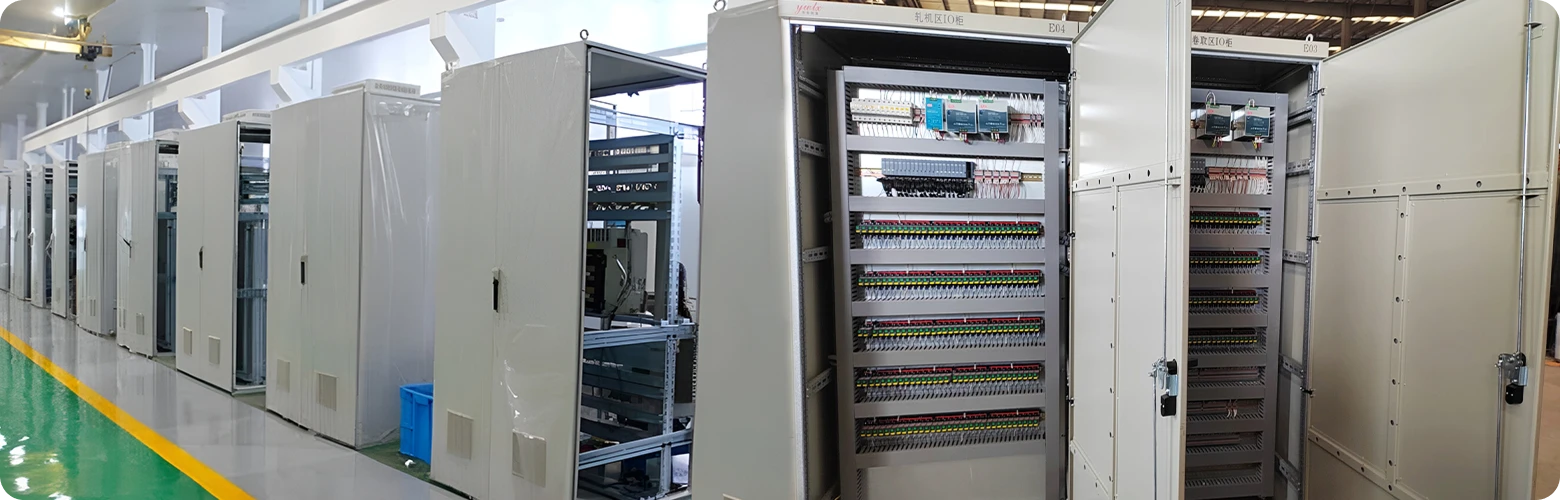
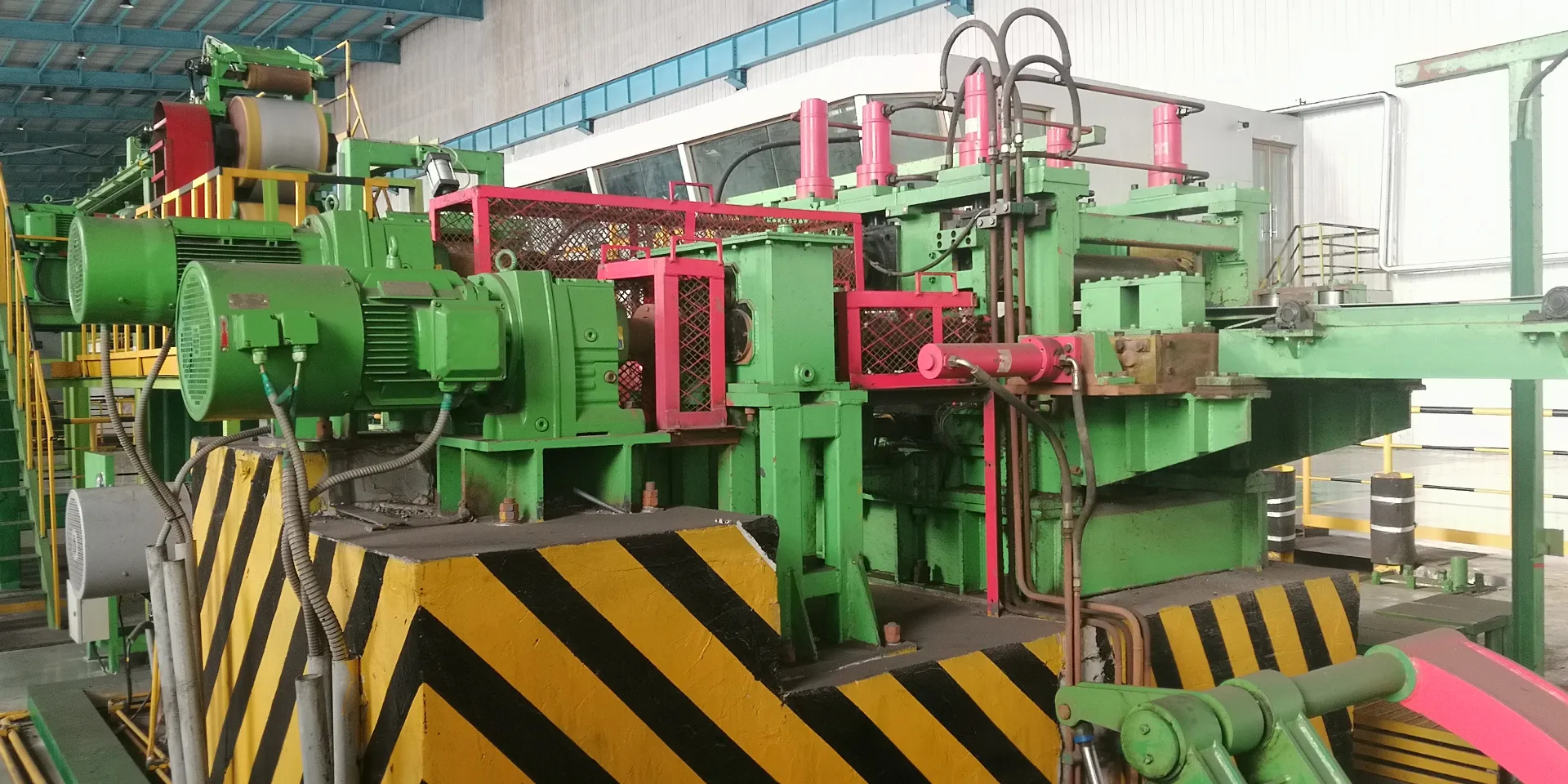
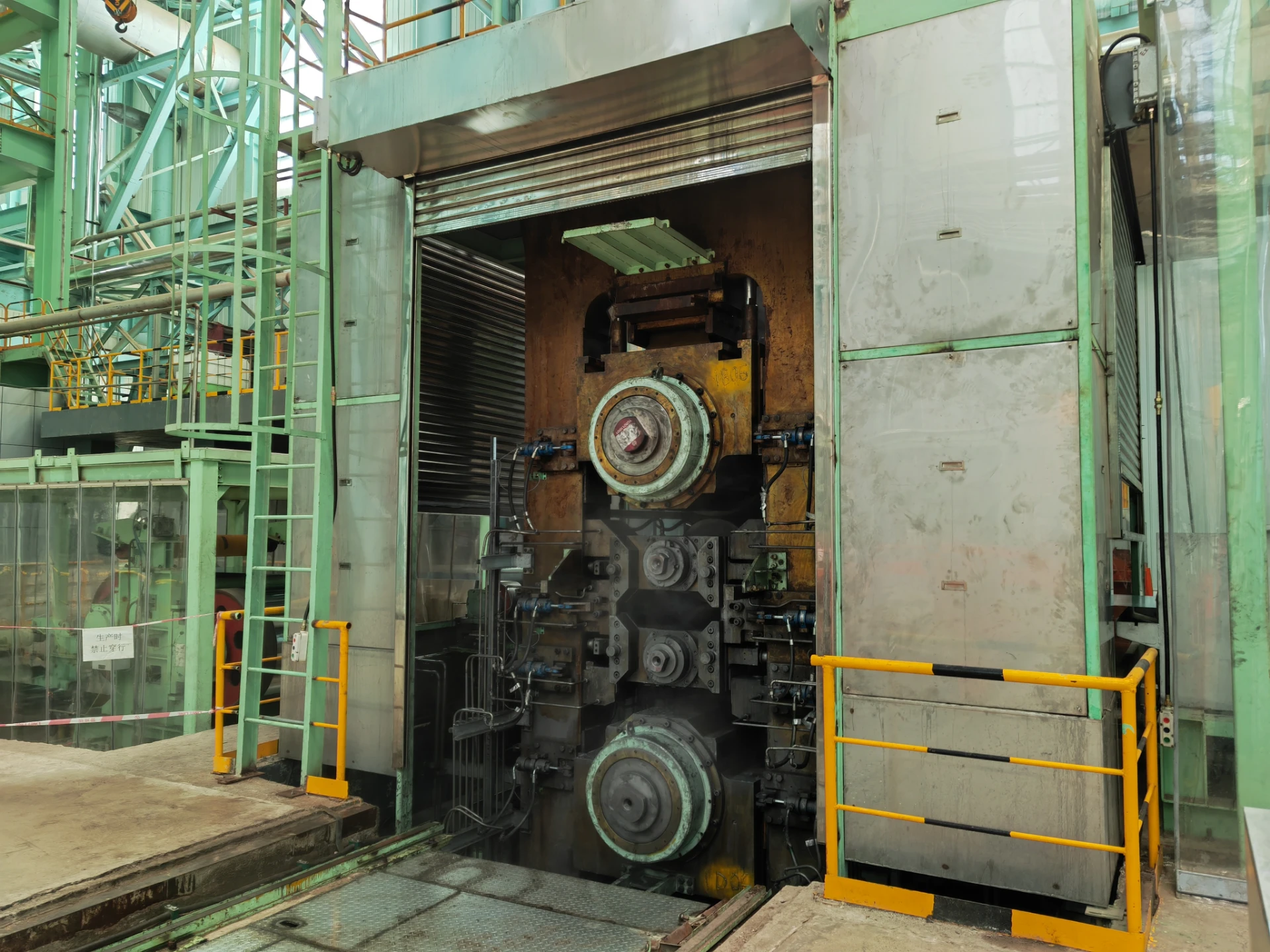
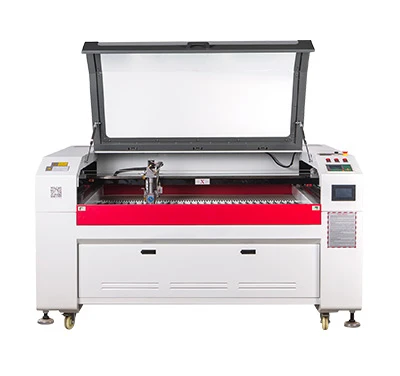
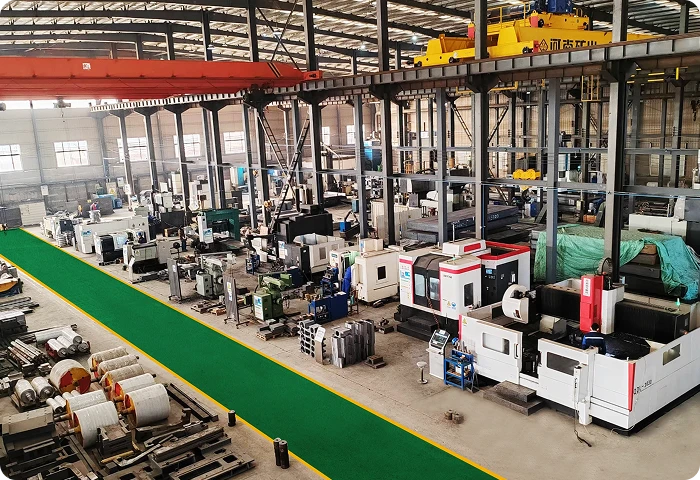
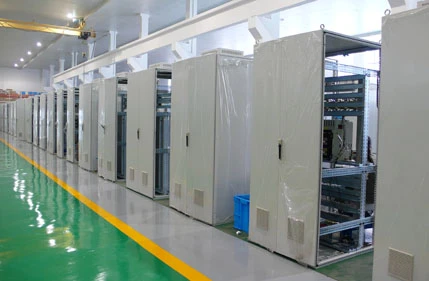
Yang Wang Li Xin operates a state-of-the-art facility over 66,000 square meters,and our manufacturing facility is fully equipped with high-tech machinery and high-capacity cranes. This enables us to handle large work pieces measuring 4.5m in width, 10m in length, and 1.5m in height, guaranteeing our capacity to produce 1800mm skin-pass mills and 1450mm rolling mills. The individual piece can weigh up to 100 tons.

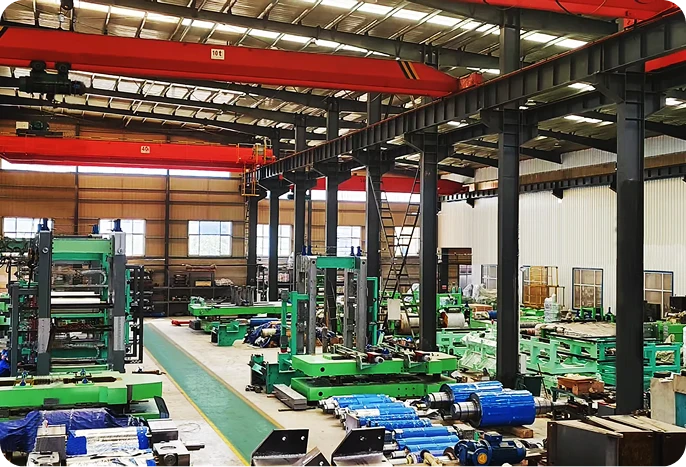

Quality is fundamental to the enterprise survival. We have established a comprehensive and meticulous quality management system and have successfully obtained ISO14000 certification. Starting from the design source, it supervises the entire production cycle, including design, procurement, processing, assembly, in-factory testing, installation, and online commissioning. The workshop is equipped with measuring tools like vernier calipers, spectrometers, hardness testers, and ultrasonic flaw detectors. They are used to check materials and control tolerances to ensure the final equipment meets or exceeds requirements. All products have a unique code, This enables the easy identification and traceability of the equipment components and ensures full control of quality.


-
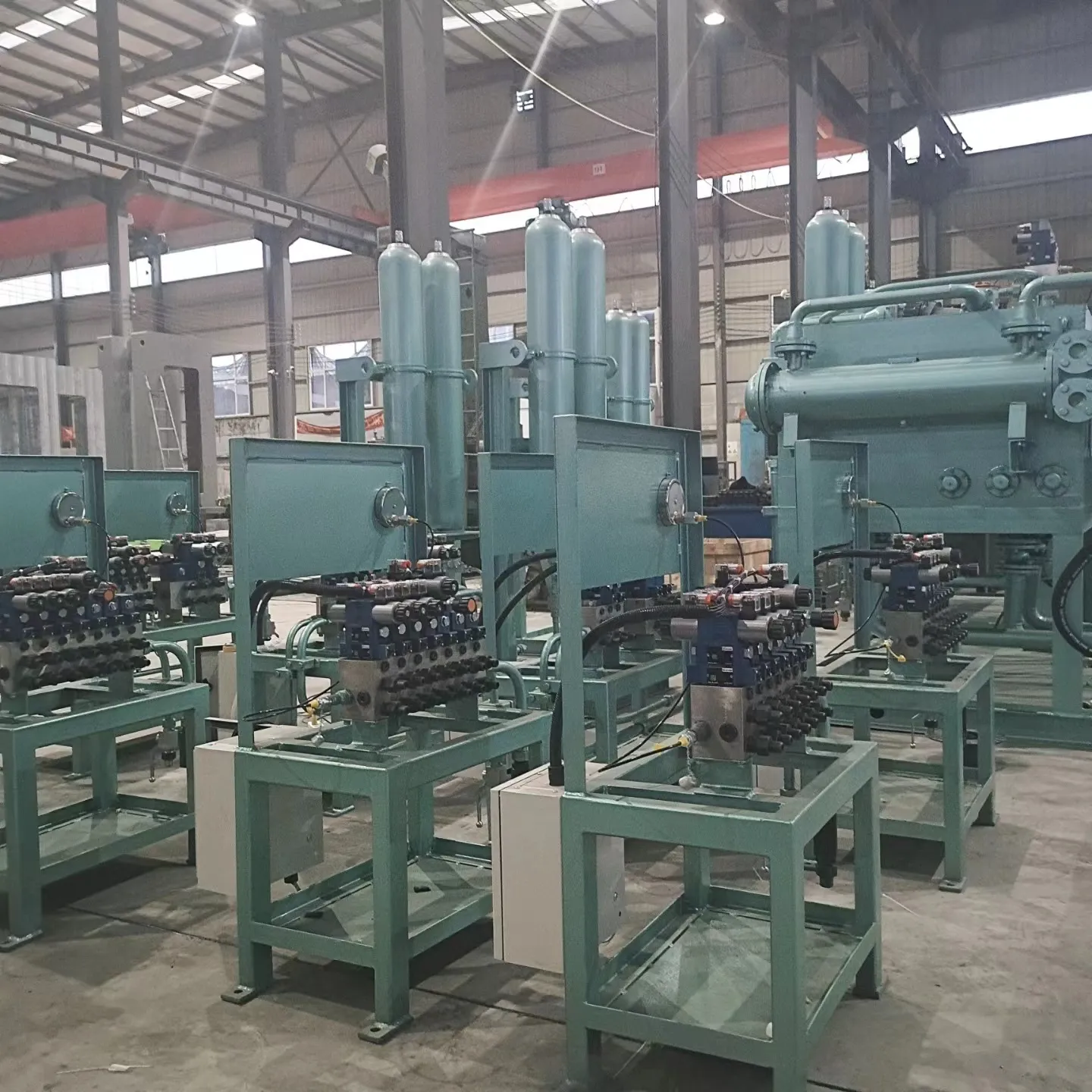 Suppliers of Cold Rolled Steel Products and Their Market InfluenceCold Rolling Suppliers A Comprehensive Guide Cold rolling is a crucial process in the metalworking industry, where metal sheets and strips are transformed into thinner gauges with enhanced properties. This technique not only improves the metal's mechanical characteristics but also provides a superior surface finish. For manufacturers in need of cold-rolled products, understanding the landscape of
 -
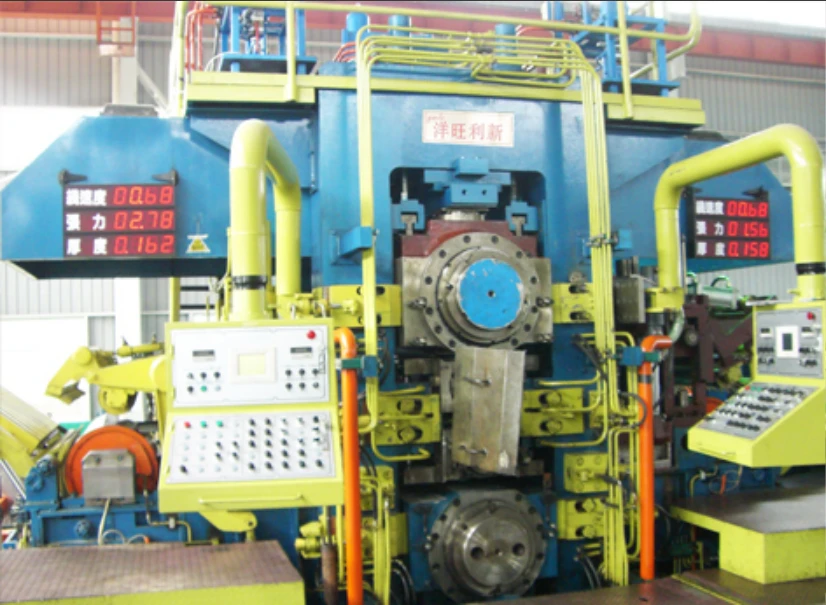 What Is Automatic Gauge Control (AGC) In Steel Rolling?In modern steel rolling mills, precision and consistency in sheet thickness are critical for product quality. Automatic Gauge Control (AGC) is an advanced control system designed to maintain uniform thickness across rolled steel strips by continuously adjusting mill parameters in real time. The AGC system integrates sensors, hydraulic actuators, and feedback loops to compensate for variations in m
 -
 rolled stripUnderstanding the complexities of rolled strip production is crucial for industries that rely on precision-engineered materials. As a vital component in manufacturing, the rolled strip offers unmatched versatility and utility across numerous sectors, including automotive, aerospace, packaging, and electronics. Real-world experience underscores the importance of selecting the appropriate rolled str


